




 Mia Woods
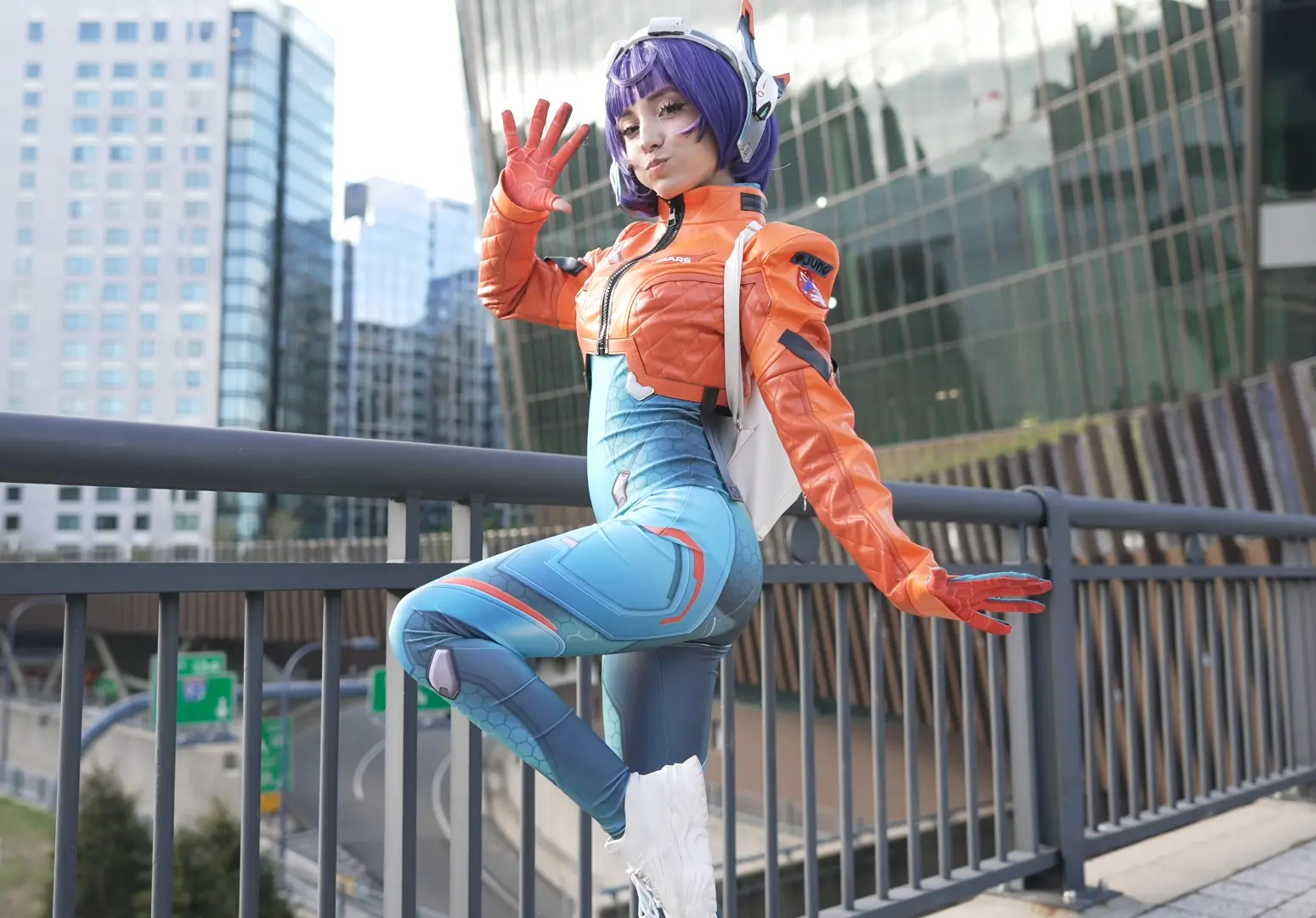
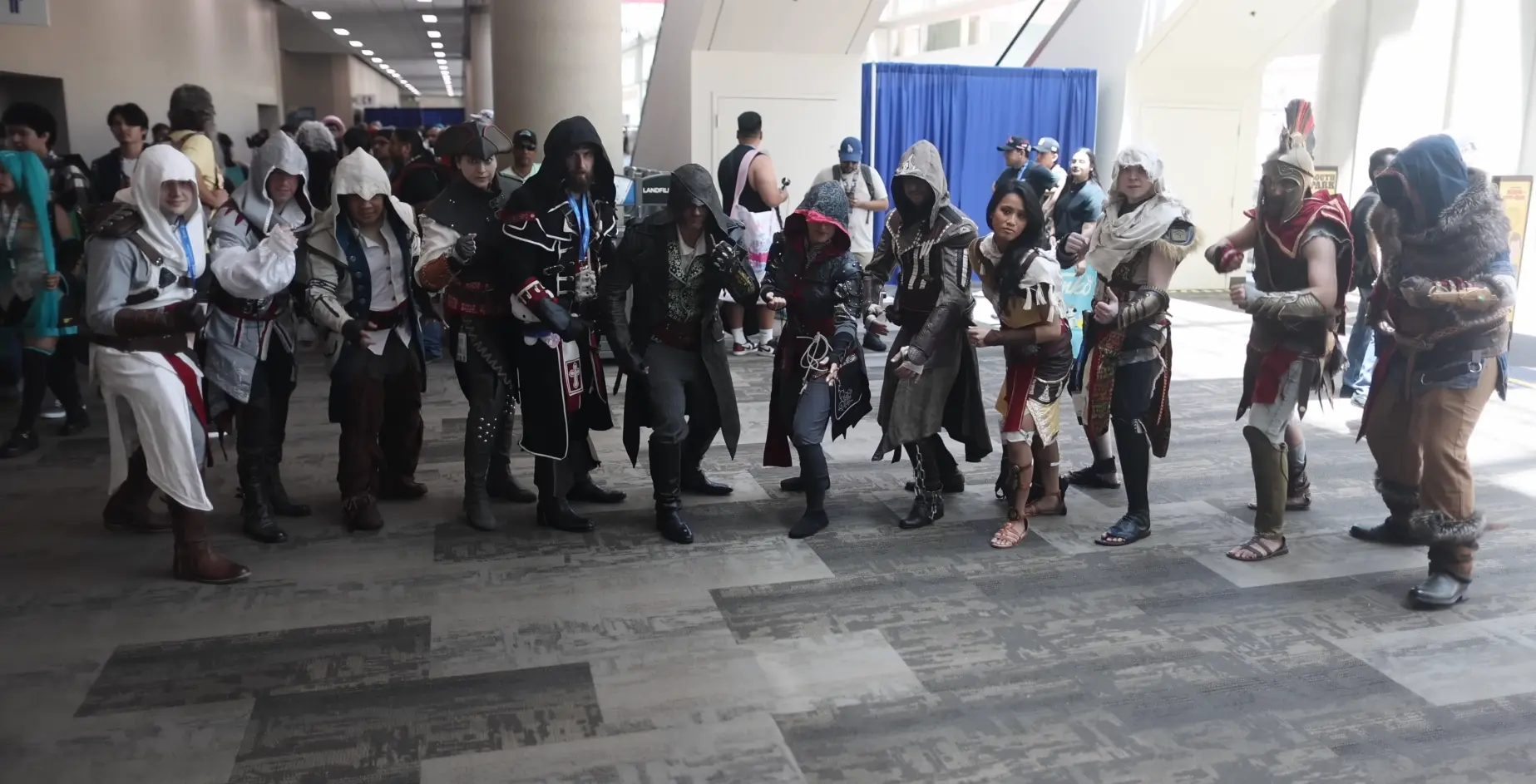
 Video game cosplay is often called the art of transformation. While at a masquerade it is enough simply to dress up as another person, in cosplay the level of immersion in the character is what truly matters. It is not enough to look similar. One must speak in the character’s tone, copy their manner of speech and facial expressions, use the same words and phrases, and react in a similar way. A cosplayer must feel their character from the inside.
It is often said that cosplay has Japanese roots. However, this is not entirely true. No one knows for certain where it began to take shape as a distinct subculture, but it is undeniable that in Japan it developed more broadly and deeply than anywhere else. This may be due to the centuries-old traditions of Japanese amateur theater, particularly kabuki, which has existed since the early 17th century. Kabuki was a synthesis of music, dance, and drama. In its productions, actors paid special attention to elaborate makeup that reflected the essence of the character, as well as to costumes that carried strong symbolic meaning. These theatrical traditions became deeply embedded in the country’s culture, allowing cosplay, over time, to separate harmoniously into an independent cultural branch.
It is believed that the first instance of cosplay appeared in the United States in 1939. At the world’s first annual World Science Fiction Convention, science fiction writer Forrest J. Ackerman dressed in an unusual futuristic costume, inspiring thousands of imitators to follow his example. By 1956, the tradition had become relatively established, and the convention even featured a contest for the best costume. In 1984, the judge of one such competition was Nobuyuki Takahashi, a Japanese writer who was delighted by the costumed spectacle and began promoting the idea in his home country. It was taken up first and foremost by anime fans, who gained the opportunity to transform into their favorite characters. Around the same time, the concept and term “cosplay” started gaining recognition in Japan.

At the same time, the concept of cosplay continued to evolve in America. In the United States, the 1960s were a period marked by the emergence of many social movements and subcultures, such as punks, rockers, and hippies. Young people sought self-identification and self-expression. During this period, enthusiasm for comics and fantasy evolved into a fan community whose members dressed up as their favorite characters. Meanwhile, a wave of Tolkien fans emerged, more closely associated with role-playing games than with cosplay. Nevertheless, Tolkien fandom also influenced the formation of cosplay culture.

Thus, video game cosplay as a movement took shape over many years, and its development was significantly influenced by Tolkien-inspired role-playing communities and the growing popularity of anime. Over time, cosplay ceased to be the prerogative of so-called “deviant” youth and became a diverse cultural phenomenon practiced by passionate people, often entire families. Modern cosplay no longer has a direct connection either to Tolkien fandom or to anime.